

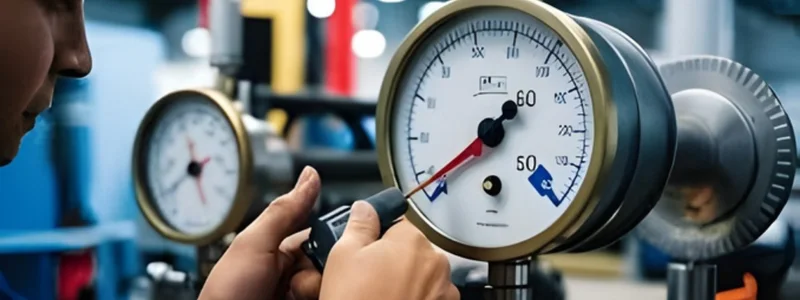
Pressure Calibration
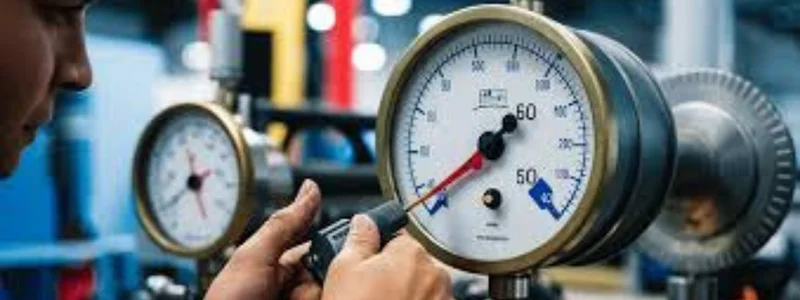
Pressure calibration is the process of verifying and adjusting instruments that measure pressure so their readings match a known, accurate standard. It’s essential in industries like oil & gas, aerospace, manufacturing,and healthcare, where precise pressure measurements ensure safety and efficiency.
Instruments Commonly Calibrated -
- Pressure gauges (mechanical dial gauges, digital gauges)
- Pressure transmitters (used in process industries)
- Barometers (weather monitoring)
- Manometers (laboratory use)
- Medical devices (blood pressure monitors, ventilators)
Pressure Calibration -
- Hydraulic Pressure
- Pneumatic Pressure
- Vacuum
- Absolute Pressure
- Differential Pressure
- Low Pressure
- High Vacuum
- Dead Weight Tester
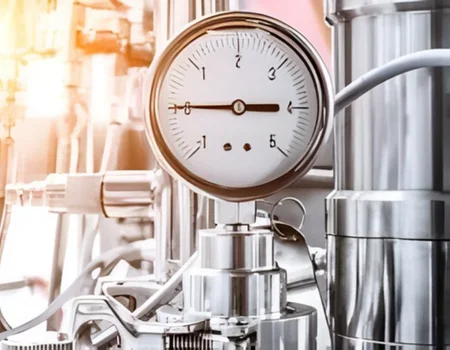

Weight Calibration
Weight calibration is the process of verifying and adjusting a weighing scale or balance.so that its readings match known standard weights, ensuring accurate and reliable measurements.
Calibration weights are categorized by tolerance levels:
- OIML Class E1/E2: Ultra-precise, used for calibrating analytical balances in labs.
- Class F1/F2: Suitable for precision industrial scales.
- Class M1/M2/M3: Used for commercial and less sensitive applications.
Mass Calibration
- E1 Class Weight Box
- E2 Class Weight Box
- F1 Class Weight Box
- F2 Class Weight Box
- M1 Class Weight Box
- M2 Class Weight Box
- All type of Industrial Weights
- Weighing Balances
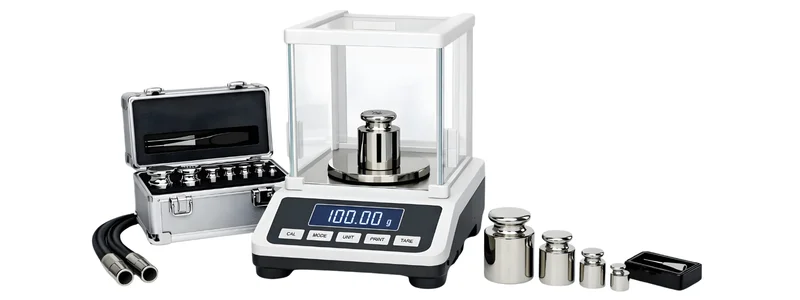
Weighing Balance
Weighing balance calibration is the process of verifying and adjusting a balance so its readings match known standard weights, ensuring accuracy, reliability, and compliance with industry standards.
Purpose of Calibration -
- Accuracy: Ensures the balance provides correct measurements, reducing errors in production or laboratory work.
- Regulatory compliance: Meets standards such as ISO/IEC 17025.
- Traceability: Links measurements to national/international standards.
- Efficiency: Prevents costly rework, recalls, or compliance issues.

Acceleration & Speed -
Acceleration and speed calibration refers to the process of verifying and adjusting instruments or systems that measure motion-related parameters (like accelerometers, speed sensors, or tachometers) so that their readings match known standards. This ensures accuracy, reliability, and compliance in applications such as automotive testing, aerospace, robotics, and industrial machinery.
Acceleration & Speed Calibration -
- Tachometer
- Stroboscope
- Centrifuge
- Magnetic Stirrer
- RPM Indicator

Accoustic -
Acoustic calibration is the process of adjusting and verifying sound measurement instruments (like microphones, sound level meters, or audio analyzers) so they accurately measure sound pressure levels and frequencies.
Accoustic Calibration -
- Sound Level Meter
- Sound Level Calibrator
- Sound Level Measurement
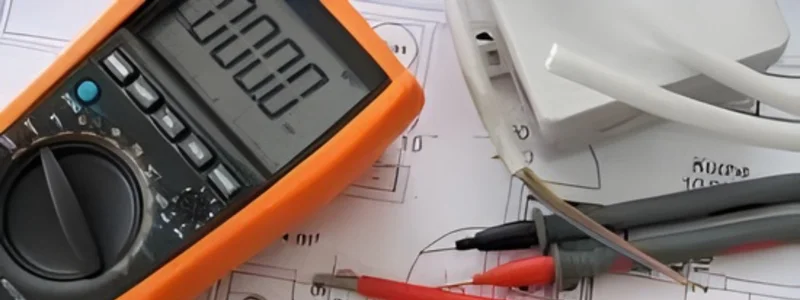
Electrotechnical -
Electrotechnical calibration is the process of verifying and adjusting electrical and electronic measuring instruments—such as multimeters, oscilloscopes, power supplies, and energy meters—against traceable standards to ensure their readings are accurate, reliable, and compliant with international norms.
Electrical Simulation -
- Voltage (AC/DC)
- Current (AC/DC)
- Resistance
- Capacitance
- Impedance
- Frequency
- Time
- Energy (1-Phase & 3-Phase)
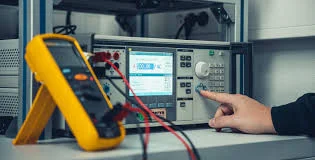
Temperature Simulation -
- Thermocouple (B, C,E, J, K, N, R, S, T)
- RTD
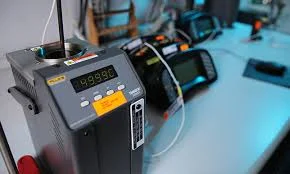
Electrical Measurement -
- Voltage (AC/DC)
- Current (AC/DC)
- Resistance
- Capacitance
- Impedance
- Frequency
- Time
- Energy (1-Phase & 3-Phase)
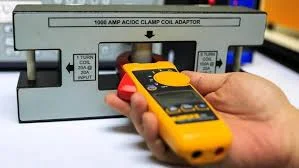
Temperature Measurements
- Thermocouple (B, C,E, J, K, N, R, S, T)
- RTD
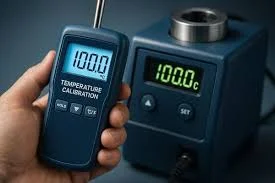
High Voltage Measurement -
- H.V. Tester
- H.V. Probe
- H.V. Measurements
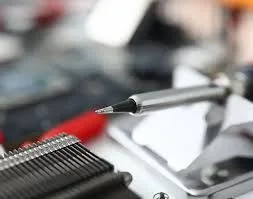
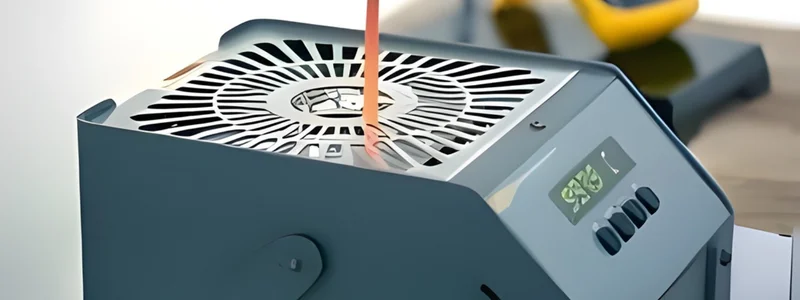
Thermal
Thermal calibration is the process of verifying and adjusting temperature‑measuring instruments (like thermometers, sensors, or probes) against a trusted standard to ensure their readings are accurate and reliable.
Thermal calibration -
- Thermocouple (B, C, E, J, K, N, R, S, T)
- Thermocouple With Indicator
- SSPRT
- PRT
- RTD
- PRT/RTD With Indicator
- Temperature Transmitter
- Temperature Transmitter With Display
- Pyrometer
- IR Thermometer
- Bi-Metallic Temperature Gauge
- Gas-In-Metal Temperature Gauge
- Glass/Mercury Thermoeter
- Digital Thermoeter
- Liquid Bath
- Dry Block Calibrator
- Furnace
- Oven, Muffle Furance, Incubator
- Autoclave, Refrigerator, Water Bath
- Deep Frizeer, Cold Storage Rooms
- Ambient Enviroment Monitor System
- Thermohygro Meter
- Humidity Sensor
- Humidity Sensor With Indicator
- Temperature & Humidity Sensor
- Temperature & Humidity Sensor With Indicator
- Temperature & Humidity Transmitter
- Temperature Recorders/Scanners/Data Logger
- Temperature Mapping/Temperature Distrubution Study

Other Calibration -
Volumetric calibration is the process of determining the true capacity of volumetric equipment (like flasks, pipettes, burettes, or tanks) to ensure accurate measurement of liquid volumes. It eliminates systematic errors and guarantees reliable, Scientific, Industrial and Commertial results.
Valumetric Calibration -
- Burette
- Pipette
- Conical Flask
- Measuring Cylinder
- Graduated Cylinder
- Volumetric Pipette
- Micro Pipette

Other Calibration -
- Hydrometers
- Specific Gravity Meter
- Density
- Wrist Trap Tester
- Surface Resistivity Tester

Illumination & Other Calibration -
Illumination calibration is the process of adjusting and standardizing light sourcesor imaging systems so that the brightness, color, and distribution of light are accurate, consistent, and traceable to measurement standards.
Other Calibration -
- Anemometer
- Air Velocity Meter
- Lux Meter
- pH Meter
- Conductivity Meter
- Rotameter / Flow Meter
- Lux Measurement

Load Cell Calibration -
Load cell calibration is the process of verifying and adjusting a load cell’s output so that it accurately corresponds to the applied force or weight.
- With mV Input calibration
- Weight Comparison Method
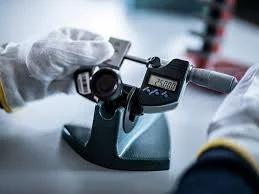
Vacuum Calibration -
Vacuum calibration is the process of verifying and adjusting instruments that measure vacuum pressure so their readings are accurate and traceable to standard.
- Pirani Gauges (Upto 10-4 mbar)
- Capacitance Gauges (Upto 10-5 mbar)
- Pirani Gauges (Upto 10-4 mbar) Capacitance Gauges (Upto 10-5 mbar) Cold Cathod Gauges (Upto 10-6 mbar)
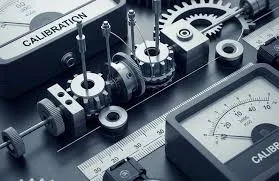
Dimensional Calibration
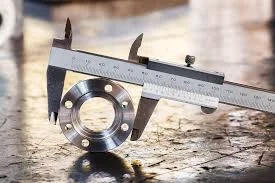
Dimensional calibration is the process of verifying and adjusting instruments that measure physical dimensions—such as length, diameter, thickness, or angles—so their readings are accurate and traceable to international standards.
- Dial / Digital Vernier Caliper
- Analog / Digital Micrometer
- Height Gauge
- Depth Gauge
- Ring Gauge
- Pluge Gauge
- Dial Gauge (Plunger/Lever)
- Thickness Gauge
- Bore Gauge
- Measuring Scale
- Measuring Tape
- Coating Thickness Meter
- V Block
- Feeler Gauge
- Surface Roughness Tester
- Bevel Protector
- Slip Box Set
- Surface Plate
- Measuring Pins
- Microscope
- Radius Gauge
- Profile Projector
- Torque Wrenches
- Hardness Tester
- Universal Testing Machine
Air Validation
Air validation is the process of testing and verifying that air systems—such as cleanroom HVAC, compressed air, or process gas supplies—meet defined quality standards for cleanliness, safety, and regulatory compliance.
- Air Flow Pattern
- Air Flow Velocity & Change per Hour
- Filter Leak Test
- Partical Count
- Viable Monitoring
- Filter Integrity Test (DOP/PAO Test For HVAC)
- Pressure Difference
- Pressure Balancing
- Recovery (Temperature & Humidity)
- Temperature & Humidity Uniformity Test
- Fresh Air Determination
- HEPA Integrity Test
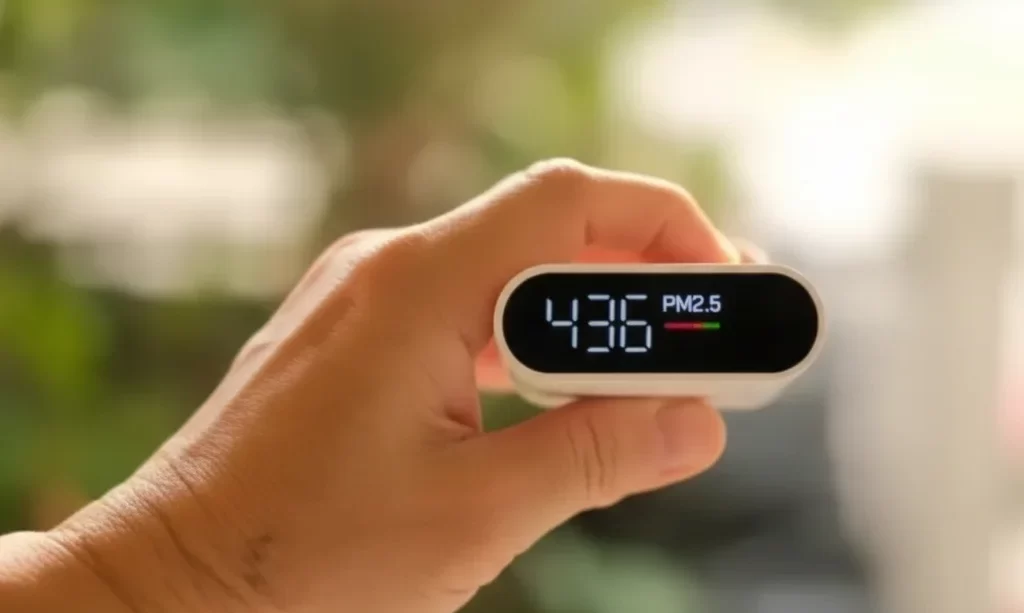
SF6 Instruments -
SF₆ instruments are specialized devices used to test, monitor, and maintain sulfur hexafluoride (SF₆) gas in high‑voltage electrical equipment such as circuit breakers, GIS (Gas‑Insulated Switchgear), transformers, and bushings.
- SF6 Gauge Calibration
- SF6 Gauge Reparing
- SF6 Transmitter Calibration
- SF6 Transmitter Reparing
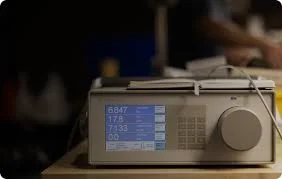
Dead Weight Tester -
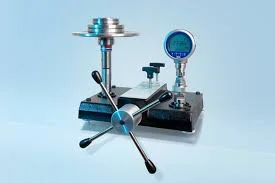
A dead weight tester is a primary standard instrument used to calibrate pressure measuring devices (like pressure gauges, transducers, and sensors).
- Calibration of Dead Weight Tester (Area Mass Calibration)
Pressure Calibration
Pressure calibration is the process of verifying and adjusting instruments that measure pressure so their readings match a known, accurate standard. It’s essential in industries like oil & gas, aerospace, manufacturing,and healthcare, where precise pressure measurements ensure safety and efficiency.
Instruments Commonly Calibrated -
- Pressure gauges (mechanical dial gauges, digital gauges)
- Pressure transmitters (used in process industries)
- Barometers (weather monitoring)
- Manometers (laboratory use)
- Medical devices (blood pressure monitors, ventilators)
Pressure Calibration -
- Hydraulic Pressure
- Pneumatic Pressure
- Vacuum
- Absolute Pressure
- Differential Pressure
- Low Pressure
- High Vacuum
- Dead Weight Tester
Welcome to WordPress. This is your first post. Edit or delete it, then start writing!